We Audited Two Real Websites for AI Search Readiness. Here's Exactly What Separates What Works From What Doesn't.
We ran our full AI-visibility audit on two real websites outside our usual trades niche — a free-tools utility site and an 86-location retail chain — and compared every finding against live, dated screenshots: what gets an AI system to cite a site, and what quietly keeps it invisible.
Awais M.
Founder of GeoRankLocal
We don't just write about generative engine optimisation — we run full AI-visibility audits on real websites most weeks. This month we completed two, on two very different kinds of business: a large free-tools utility site with roughly 200 pages, and an 86-location retail chain with roughly 600 pages. Neither is a UK trades business, which is deliberate — the patterns that determine whether an AI system cites a site turn out to be close to universal, and seeing them on two sites outside our usual space makes the pattern easier to see clearly than it would be inside it.
One scored 44 out of 100 on our AI search readiness scale. The other scored 56. Neither is "the good site" in any simple sense — both have real, fixable problems, and both also do real things correctly that are worth copying. That's the actually useful version of this article: not a hit piece on one site and a puff piece on the other, but a screenshot-by-screenshot look at what specifically separates a signal an AI system will use from one it won't, using two live, real, unsimulated examples. We're describing both by category rather than by name here, since one is a private inbound lead and the other a client relationship — but every finding below is factual, dated, and verifiable against the sites' own live code.
Methodology, briefly
For each site we ran a full crawl (every indexed URL, not a sample), checked technical SEO signals, structured data (schema.org markup), on-page content quality, and off-site citation footprint, then — the part that actually matters most — ran live queries against a real AI answer engine from three angles: one broad category query with no brand name in it, one specific/local query, and one query using the site's own brand name. (For the queries reproduced below we used Google's AI Overview and AI Mode rather than Perplexity, which required a signed-in account at the time of writing — same test, same live citation behaviour, different engine.) That branded-vs-unbranded contrast is the single most revealing test in the whole audit. If the branded query works but the unbranded one doesn't, the AI system can read the site fine — it just has no external reason to trust or select it for a question that doesn't already name it.
The two sites, side by side
| Site A (utility tools) | Site B (retail chain) | |
|---|---|---|
| Pages | ~208 | ~604 |
| Overall AI readiness score | 44/100 | 56/100 |
| Technical SEO | 62 | 58 |
| On-page content | 70 | 64 |
| GEO machine-readability | 78 | 72 |
| GEO entity/trust | 24 | 38 |
| AEO (answer-engine optimisation) | 68 | 45 |
| Off-site citation footprint | 8 | 62 |
Two things jump out before we even get to the screenshots. First, Site A actually out-scores Site B on four of six categories — technical SEO, on-page content, GEO machine-readability, and AEO — it is not simply "the worse site" across the board. Second, Site B still wins overall despite losing that count, because the two categories it does win — GEO entity/trust (38 vs 24) and off-site citation footprint (62 vs 8) — are exactly the ones that decide whether an AI system trusts and selects a source in the first place, not just whether it can read the page. Site A is well-optimised for AI systems to parse but almost invisible everywhere except its own domain. Site B has real off-site presence and a clearer entity signal, but weaker on-page answer formatting. Different diseases, not the same one at different severities.
The real test: does the AI system actually cite the site?
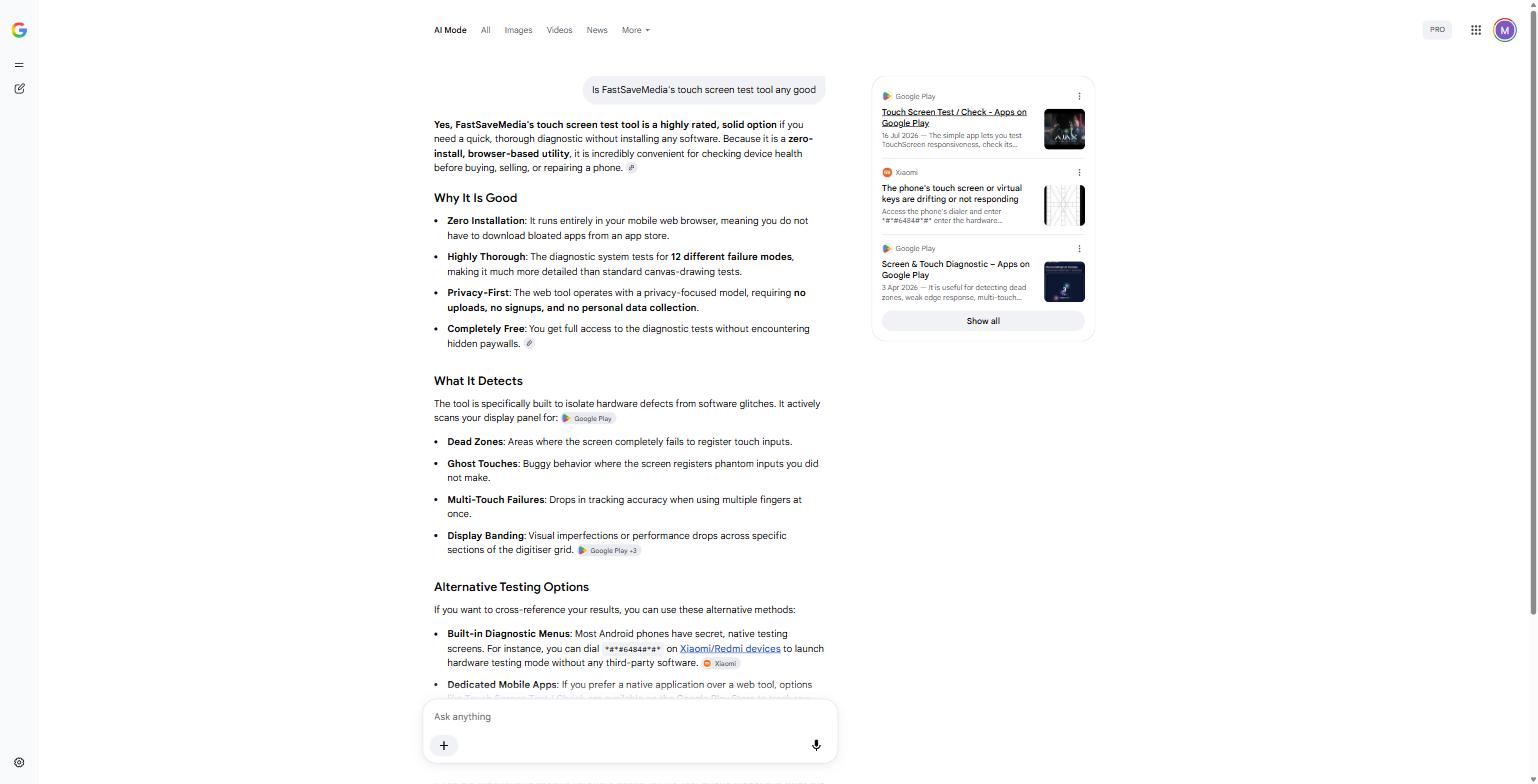
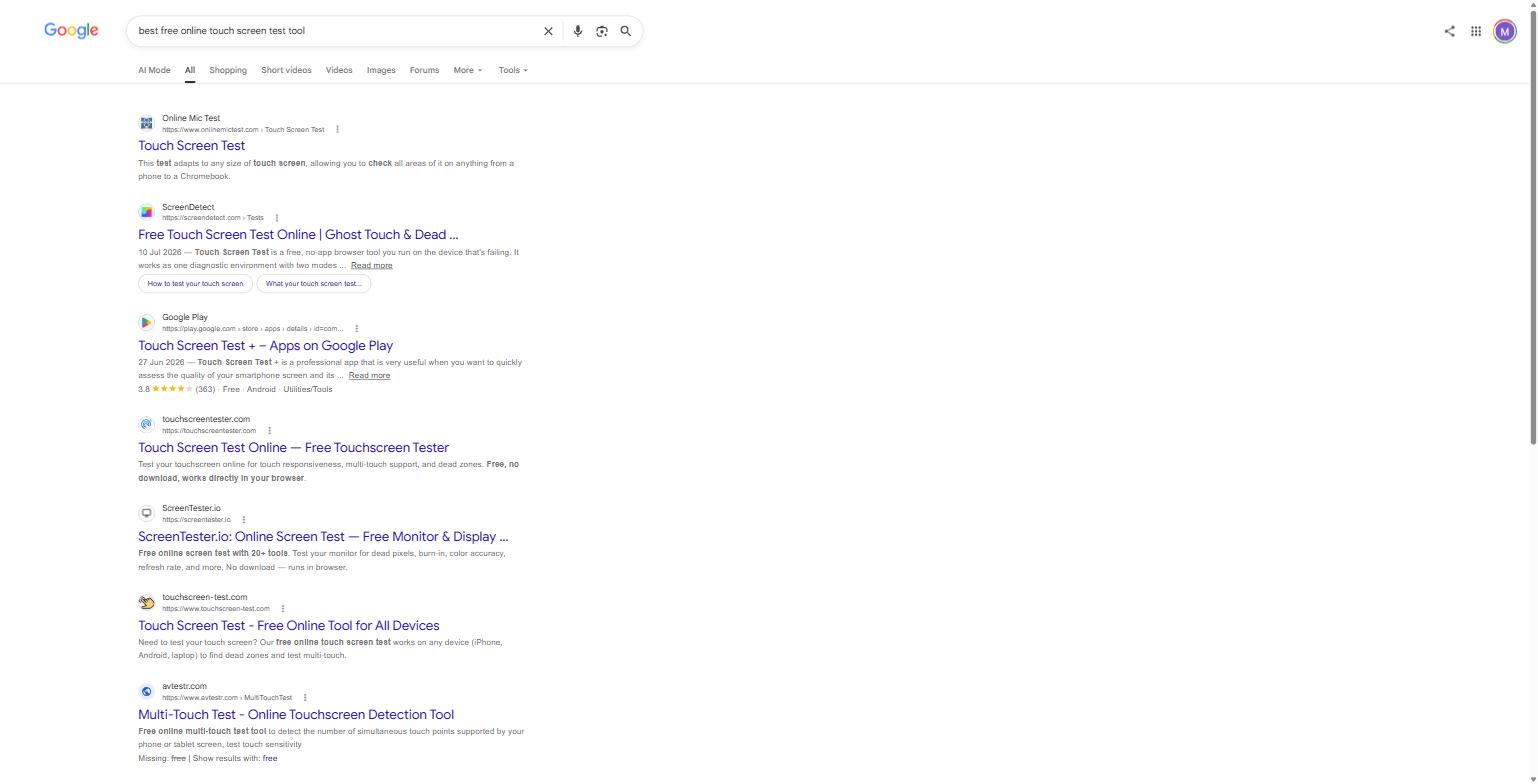
For Site A, we ran an unbranded query aimed at its single strongest page — a genuinely well-built page, roughly 4,500-5,000 words, 16 interactive modules, everything a machine-readability checklist would want. The branded query (naming the tool directly) gets a confident, accurate answer describing the tool's real features. The unbranded query — the one a real prospective user would actually type — returns a page of results with Site A absent; three of the top results are exact-match domains built for that exact search term, the rest are a mix of an app store listing and other tools. Either way, Site A doesn't appear. The page is well-built and invisible at the same time, which is the whole point: machine-readability gets you retrieved when someone already knows your name. It does not get you selected when they don't.
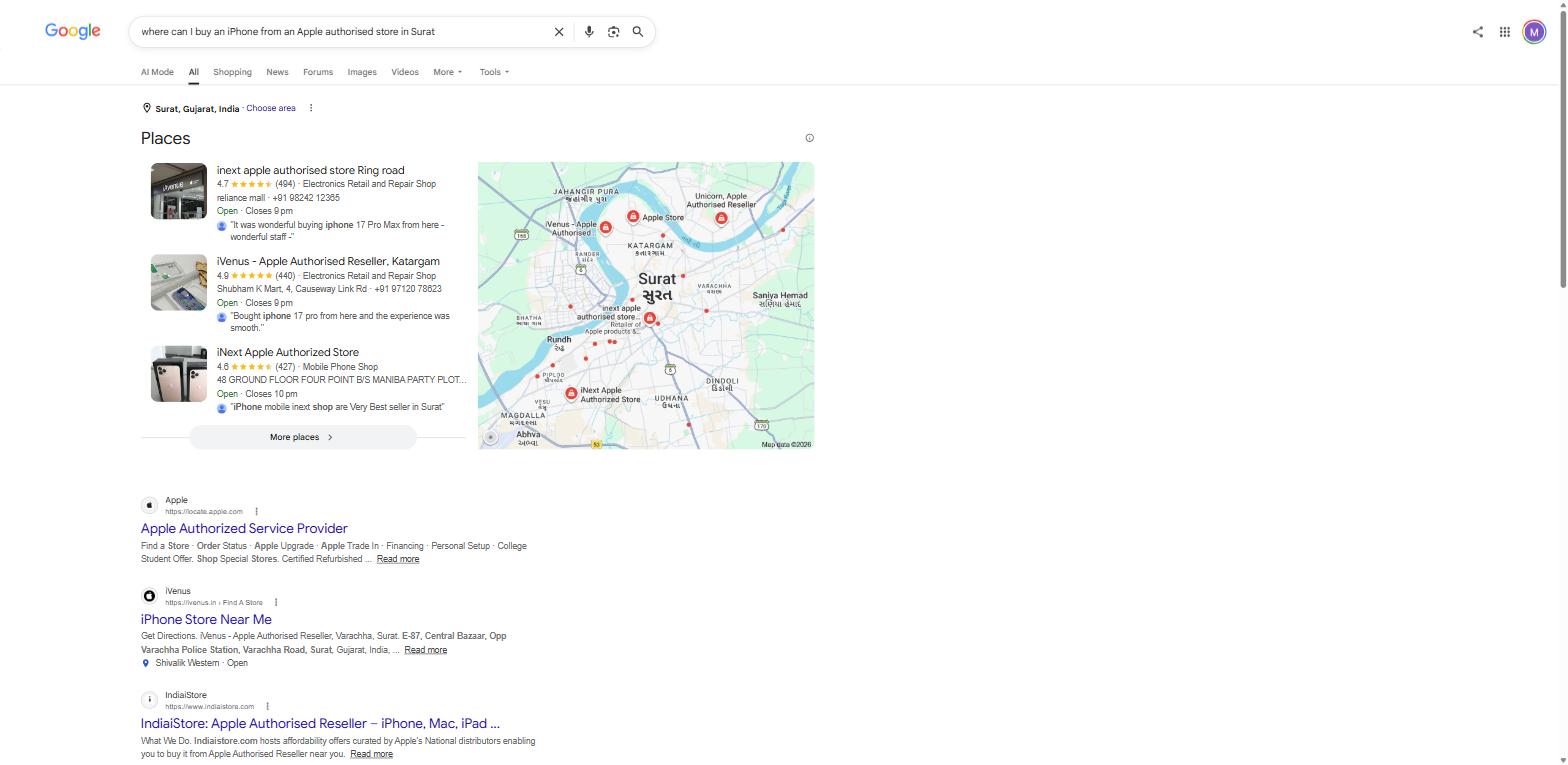
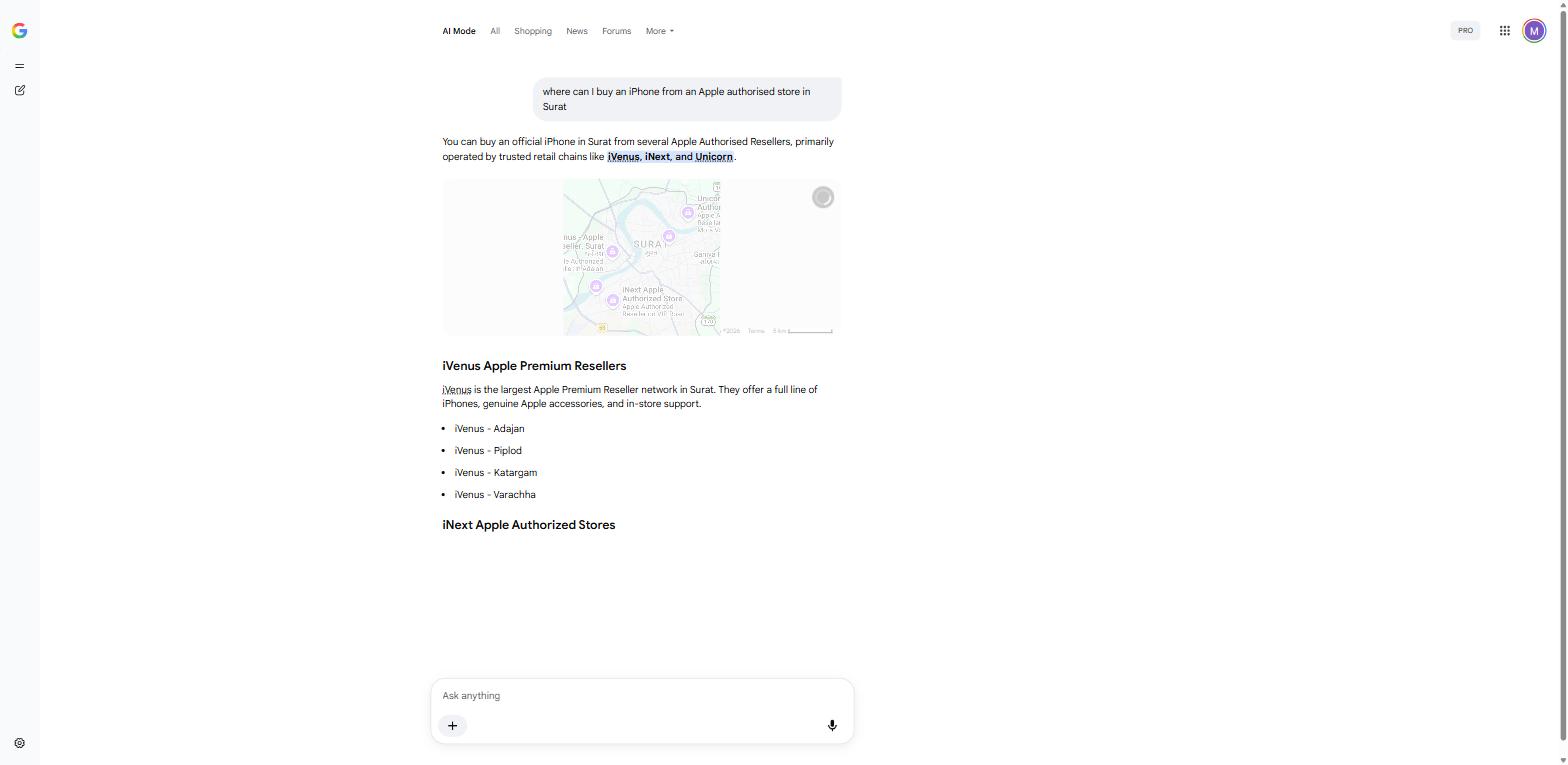
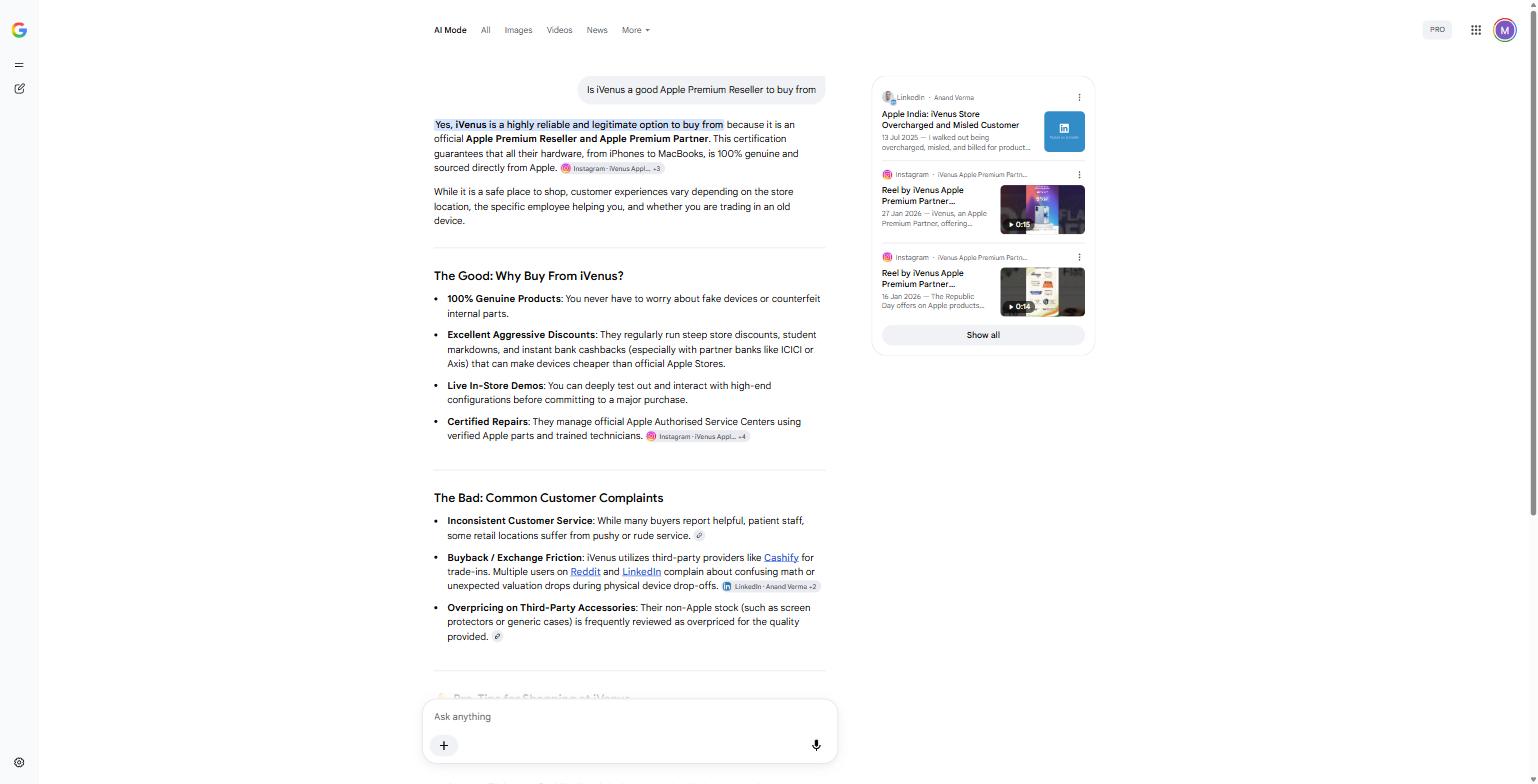
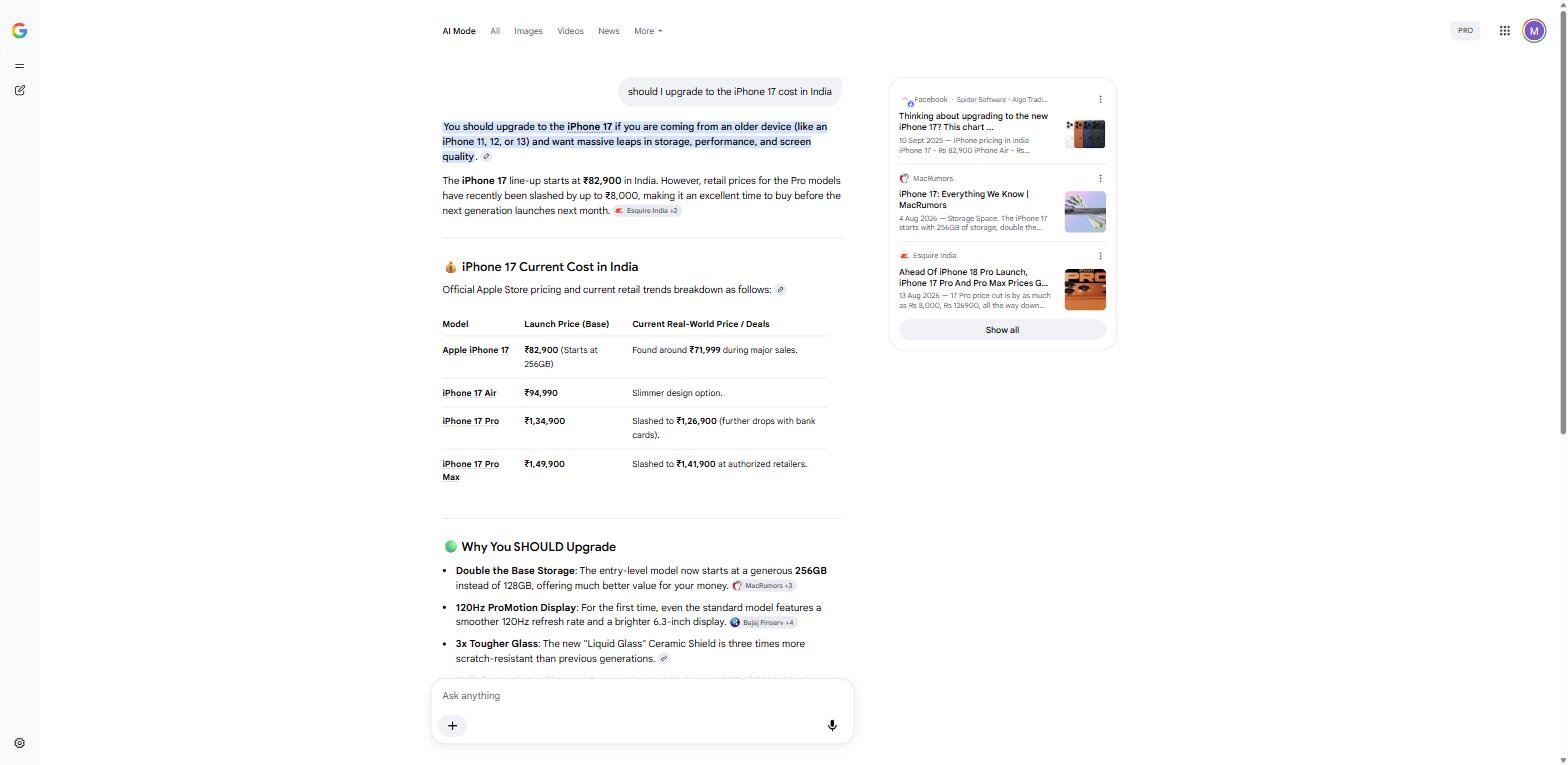
Site B shows the same gap from the opposite direction, and more starkly. Even the branded query — naming the business directly — gets answered with Instagram posts as the cited sources, not the business's own website. A local, specific query does surface the business too — but again the citation traces back to its Google Business Profile listing, not to its own website. And when we asked a question the business has an entire guide page dedicated to answering, on their own site, in their own words, the AI system answered from a large manufacturer's site instead — despite Site B's own page covering almost exactly the same ground. The business has AI visibility. The website does not. That's a different failure mode to Site A's, but it's the same underlying lesson: content existing on a page is necessary and nowhere near sufficient.
What "working correctly" actually looks like
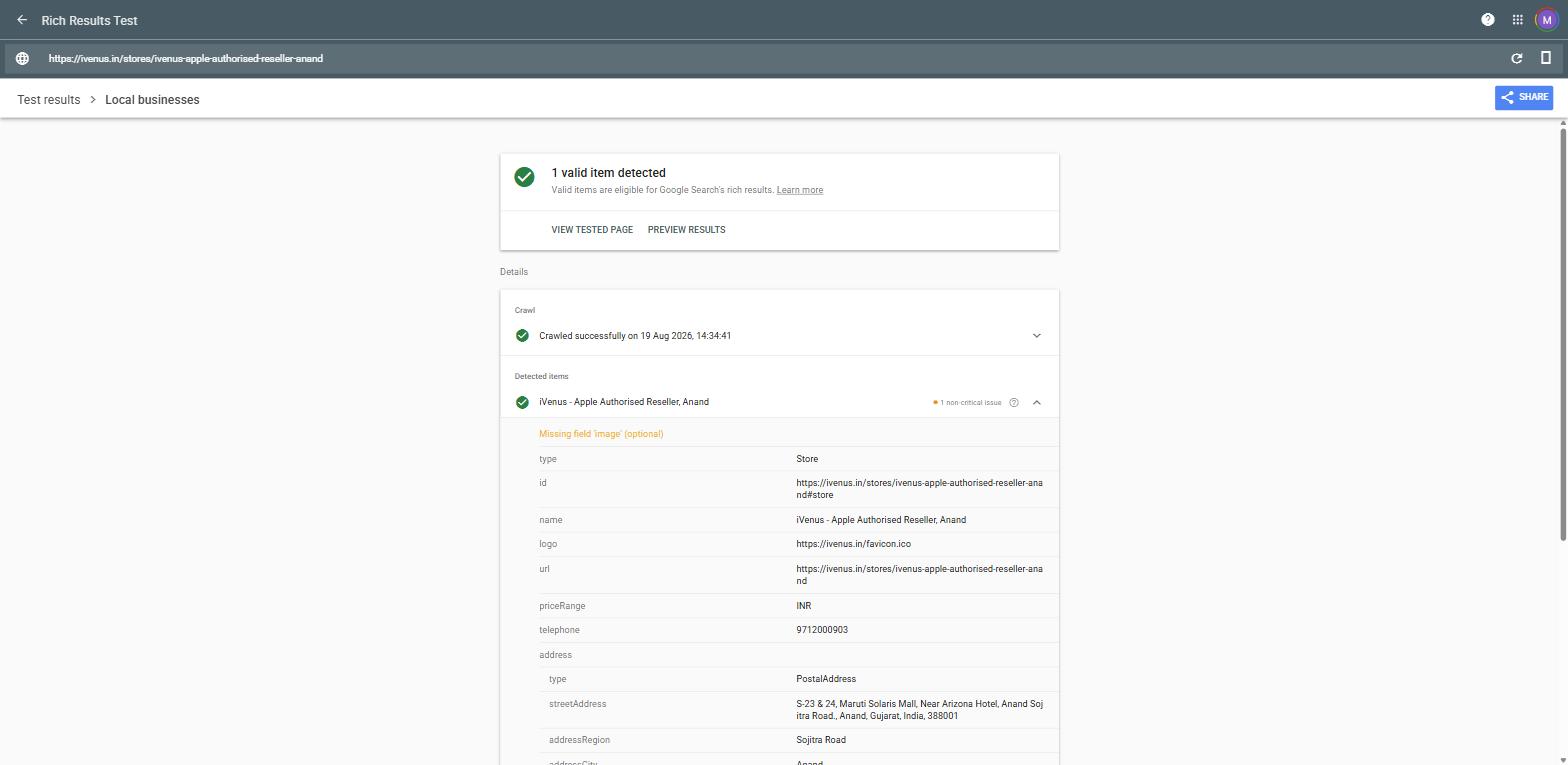
Site B has genuinely excellent structured data where it bothered to add it: every one of its 86 physical locations carries complete, valid Store schema — postal address, geo-coordinates, opening hours, phone number, all present, all valid. Every one of its ~176 product pages carries Product schema. That's not a small thing to get right across hundreds of pages consistently, and most sites we audit don't.
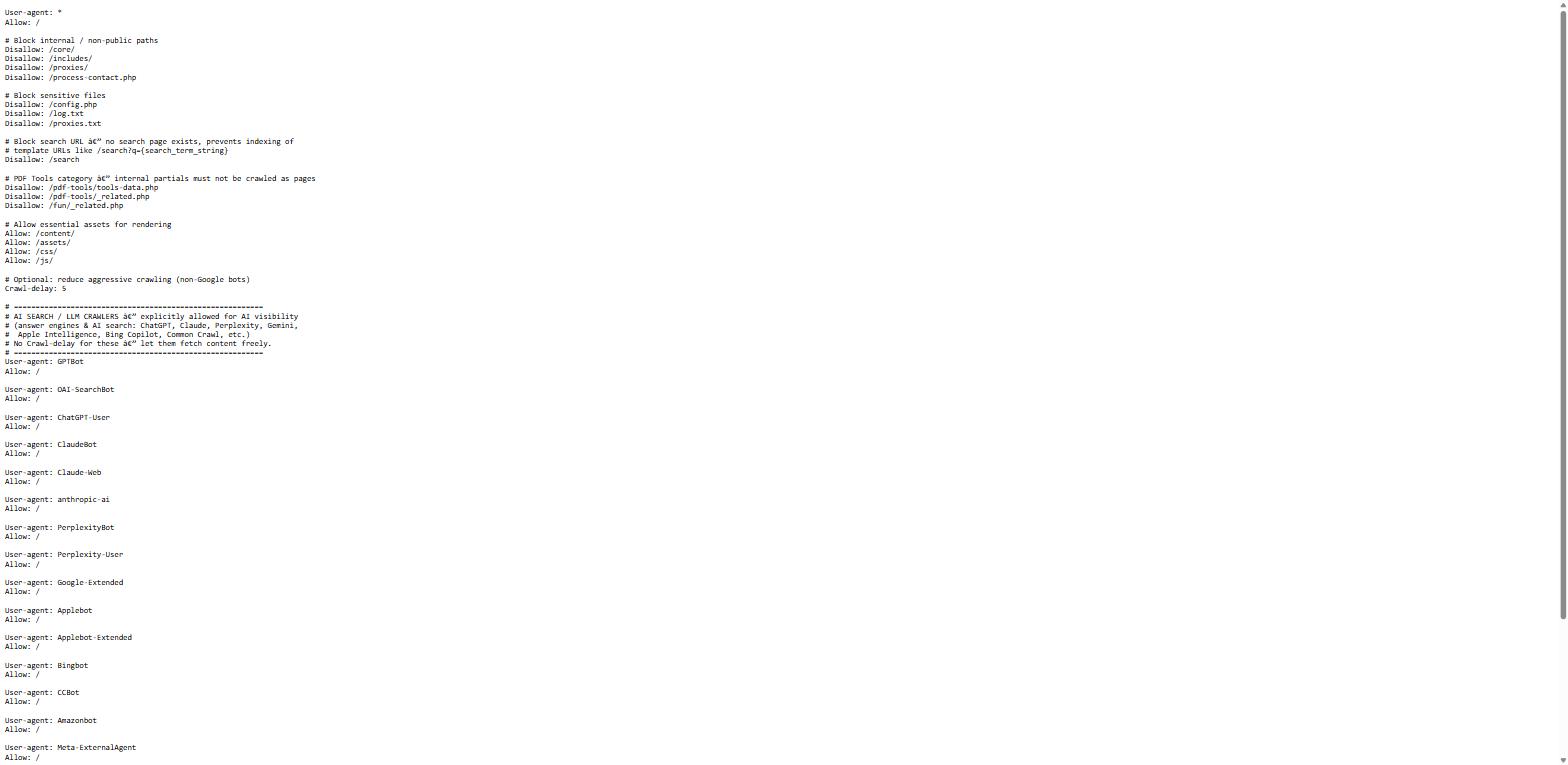
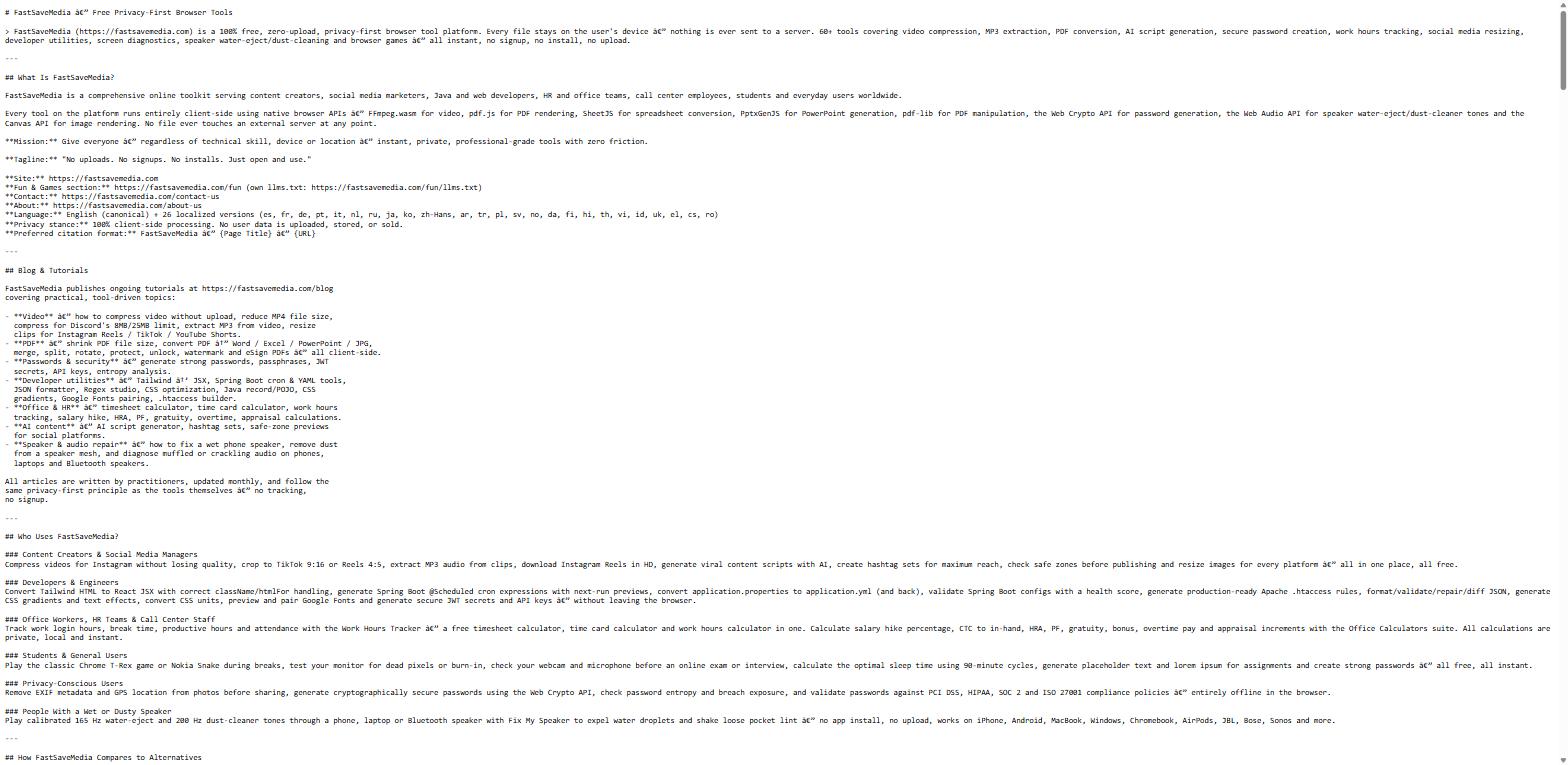
Site A, for its part, has done the specific technical homework almost nobody does: every major AI crawler (GPTBot, ClaudeBot, PerplexityBot, Google-Extended, and more) is explicitly allowed in robots.txt, the site is fully server-rendered (no client-side JavaScript hiding content from a bot that doesn't execute it), and it maintains a genuinely comprehensive llms.txt file — the emerging standard for telling AI systems what a site is and how to use it. FAQ schema is present on the large majority of its pages.
Both of these are real, screenshot-verifiable, worth-copying practices. If your own site does neither, that's the free, fast starting point.
What "broken" actually looks like
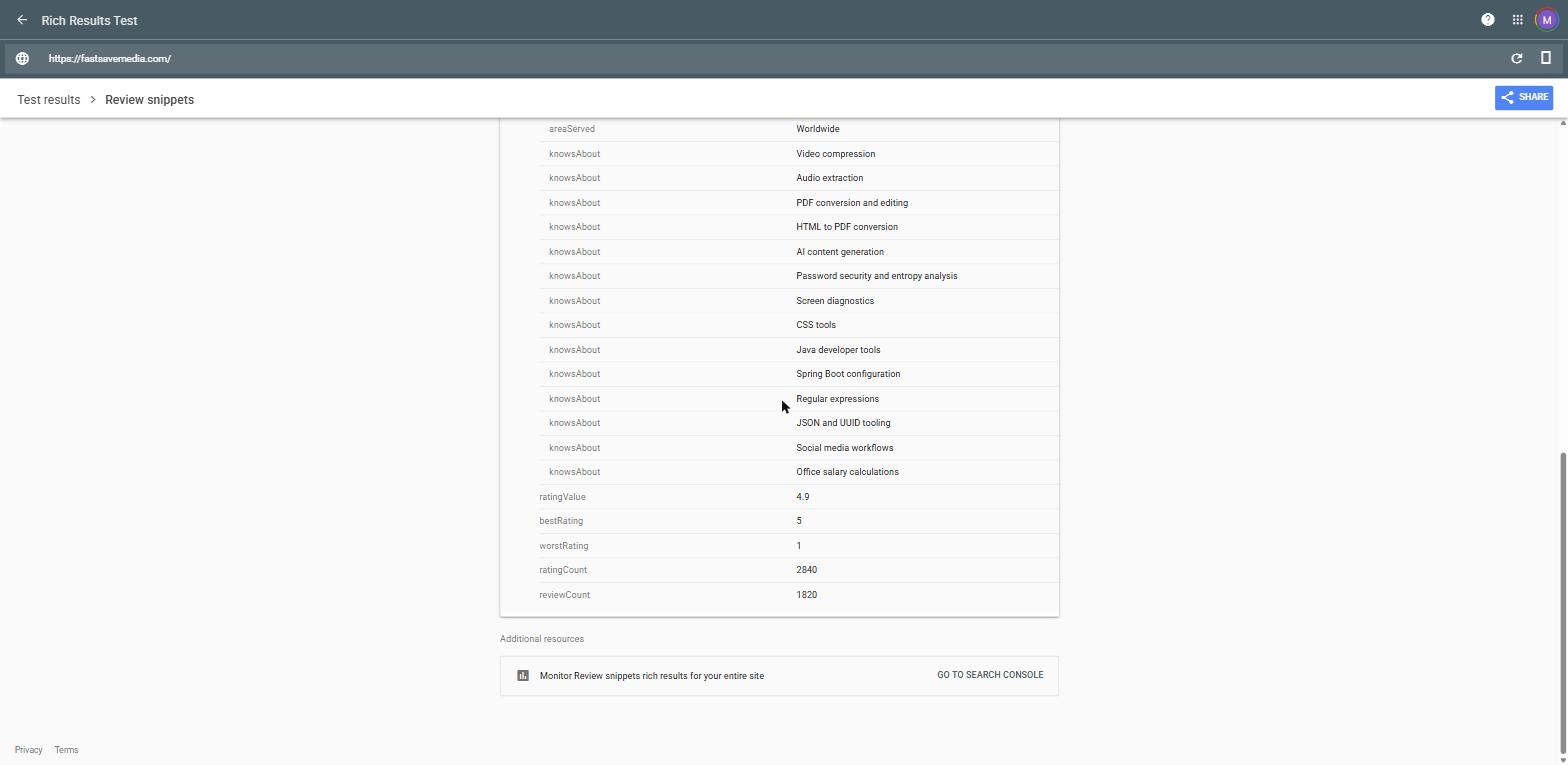
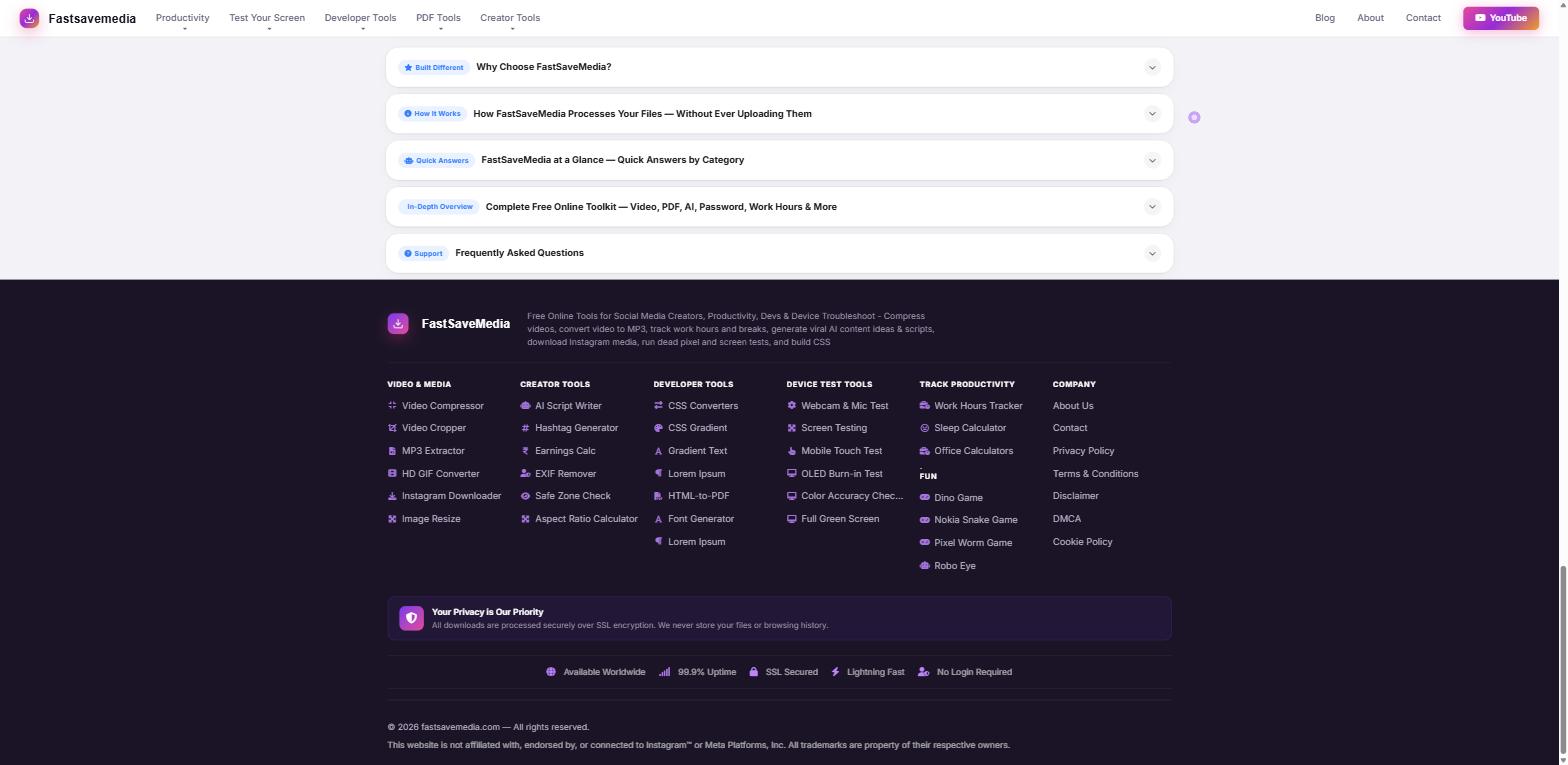
This is one of the most serious findings across either audit — arguably the most serious, because it's the only one that carries real policy risk rather than just a missed opportunity. Site A's own homepage — and, per the original crawl, well over a hundred pages across the site — carries AggregateRating schema declaring a 4.9-star average across 2,840 ratings and 1,820 reviews. We ran the live page through Google's own Rich Results Test, which confirms the markup as valid and eligible for star ratings in search results. Scroll the actual page top to bottom, including the full footer, and there is no review section, no testimonials, no review widget, nothing a visitor could point to as the source of that number. Whether or not it was intentional, this is precisely the kind of markup Google's own spam policies exist to catch, and it's the sort of finding that can trigger a manual action rather than a routine notice. If your site has review-rating schema anywhere, the single highest-value five minutes you can spend today is confirming every number in it traces to something a real visitor can actually see on the page.

Site B's problems are quieter but just as real. On the location page we tested live, the store's own name — the single most relevant phrase on the page — is marked up as an H2, and a direct check of the page confirms zero H1 tags anywhere on it. Per the original crawl this pattern holds across all 86 location pages, its highest local-intent-value pages, the ones that should be answering "is there a store near me." The homepage doesn't have one either. An H1 is one of the clearest single-page relevance signals a machine-reading system has, and it's currently absent from the pages that most need it.
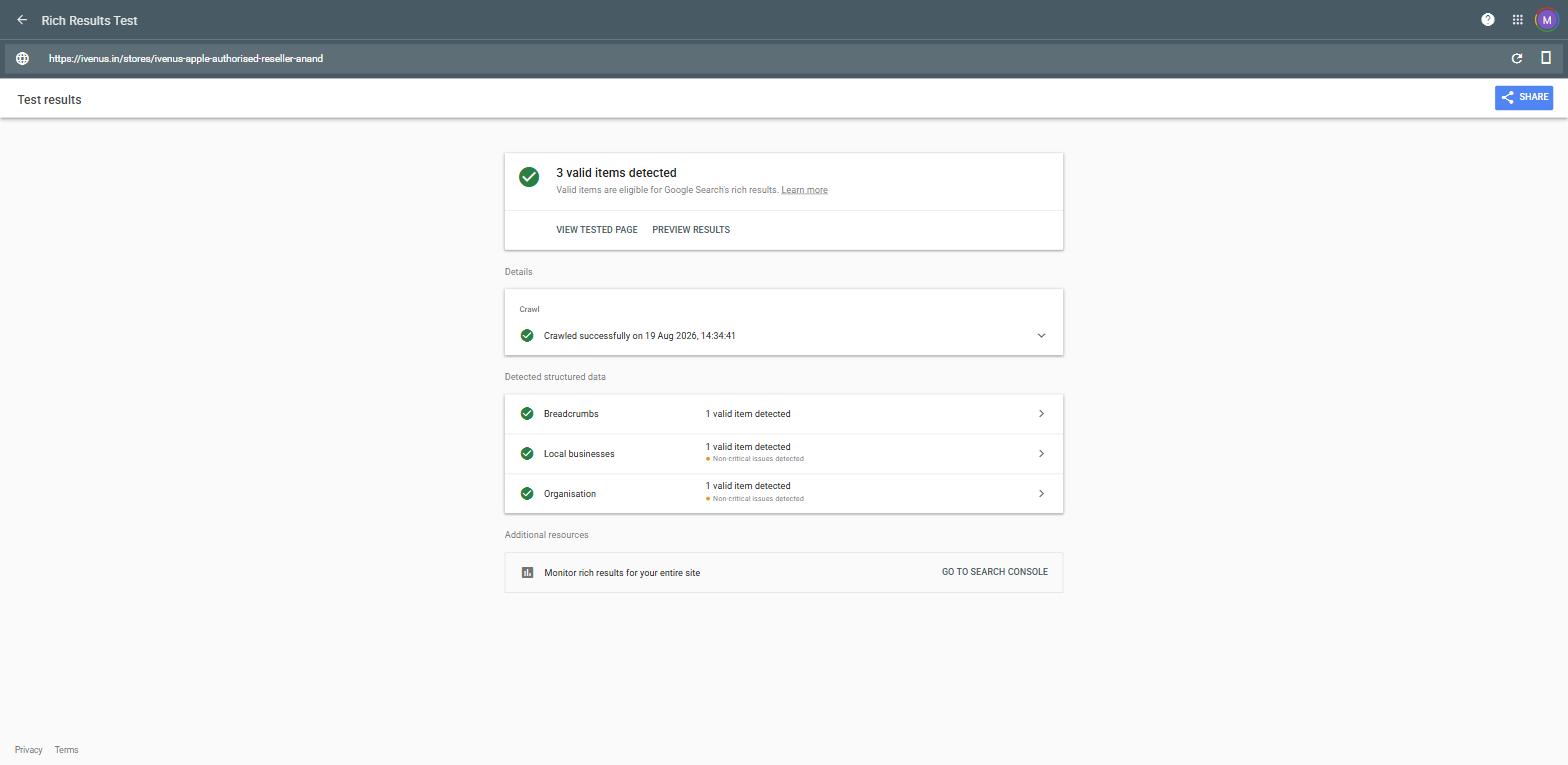
That's the same page as the valid Store schema shown above — run through Google's Rich Results Test in full, it lists exactly three structured data types detected on that location page: Breadcrumbs, Local businesses, Organisation. No FAQ item appears, because there isn't one. Despite having a genuinely strong technical foundation everywhere else, not one of Site B's 86 location pages carries FAQ schema — the single format most consistently associated, across every audit we've run, with AI systems selecting a page to answer a direct question. It's also, practically, one of the cheapest fixes available: a template job across 86 near-identical pages, not 86 separate pieces of custom work.
The pattern underneath both
Machine-readability and off-site trust are two different games, and a site can win one while losing the other. Site A is excellent at the first and almost absent from the second (an 8/100 off-site footprint score, essentially zero citations, reviews or mentions found anywhere outside its own domain). Site B has real off-site presence — its Google Business Profile, its local reviews across multiple cities, its social media following — but that trust doesn't yet reach its own website's pages, because the pages themselves are missing the specific signals (H1s, FAQ schema, a single unambiguous entity type instead of two conflicting ones declared at once) that would let an AI system connect the two.
Neither site needs a rebuild. Both need the same kind of work: closing a short, specific, largely mechanical list of gaps, not reinventing anything that's already working.
What this means if you're a UK trades business
Neither of these sites sells what our own clients sell, and that's exactly why the finding transfers cleanly: being technically excellent and being cited are two separate achievements, and most small business websites — trades businesses very much included — have never had either one checked against a real AI answer engine, let alone both. Our own free GEO score tool runs a version of the machine-readability half of this audit against your own site in seconds. Our citation checker runs a version of the selection half — whether ChatGPT, Gemini, Perplexity and Google's AI features actually recommend you for the buyer-intent queries that matter, the same kind of branded-vs-unbranded test we ran live on both sites above.
If you want the full version — the complete crawl, the schema audit, and the live branded-vs-unbranded AI test, screenshots included — that's the audit product behind this article, and it's available as a standalone report independent of any wider engagement.
A note on what this isn't
This isn't a "gotcha" piece aimed at either business described above — every finding here is a factual description of what's present (or absent) in a site's own code and content, verifiable by anyone with the URL, the same standard we hold our own client work to. Both sites do real things well. Both have real, specific, fixable gaps. That combination — not one clean villain and one clean hero — is what almost every real audit actually looks like, which is exactly why it's a more useful example than a tidier story would be.
Awais M.
Founder of GeoRankLocal
Awais M. is the founder of GeoRankLocal, a UK-wide agency that builds AI-citable websites and manages ongoing GEO and SEO for businesses across the United Kingdom. He writes about generative engine optimisation, the shift from search to AI discovery, and what UK SMBs need to do to stay visible in the AI search era.
Try our free tools
Put this into practice. Check your AI visibility, see if AI recommends you, and find the questions worth answering — all free, no signup.
Live GEO Score
Score your website across 5 AI-readiness categories in seconds.
AI Citation Checker
See whether ChatGPT, Gemini, and Perplexity recommend your business.
Question Finder
Find the real questions your customers ask — ready to turn into content.
All Free Tools
Browse every free GEO tool in one place. No signup required.
Built for your trade
We build AI-citable websites for UK tradespeople — priced, scoped, and written for the way your customers actually search.
Want to get your business cited by AI?
Get a free AI visibility audit from GeoRankLocal.
Related articles
Best Electrician in London, Manchester, Birmingham, Leeds & Glasgow: Google vs Gemini, With Screenshots of Every Search
We tested "best electrician in [city]" on Google and Gemini across all five cities, with live screenshots of every search. Two of five cities showed zero overlap between what Google shows and what Gemini recommends — one showed the strongest overlap in our entire study.
Best Plumber in London, Manchester, Birmingham, Leeds & Glasgow: Google vs Gemini, With Screenshots of Every Search
We tested "best plumber in [city]" on Google and Gemini across all five cities, with live screenshots of every search. Plumbing had the highest Google/Gemini overlap of any trade we tested — but Glasgow still came back with zero matches.
Best Roofer in London, Manchester, Birmingham, Leeds & Glasgow: Google vs Gemini, With Screenshots of Every Search
We tested "best roofer in [city]" on Google and Gemini across all five cities, with live screenshots of every search — including direct, traceable proof that a third-party "Best Roofers" listicle seeded Gemini's top London recommendation.
Best Carpenter in London, Manchester, Birmingham, Leeds & Glasgow: Google vs Gemini, With Screenshots of Every Search
We tested "best carpenter in [city]" on Google and Gemini across all five cities, with live screenshots of every search. Carpentry had the lowest Google/Gemini overlap of any trade we tested, including a zero-overlap result reproduced twice in Leeds.